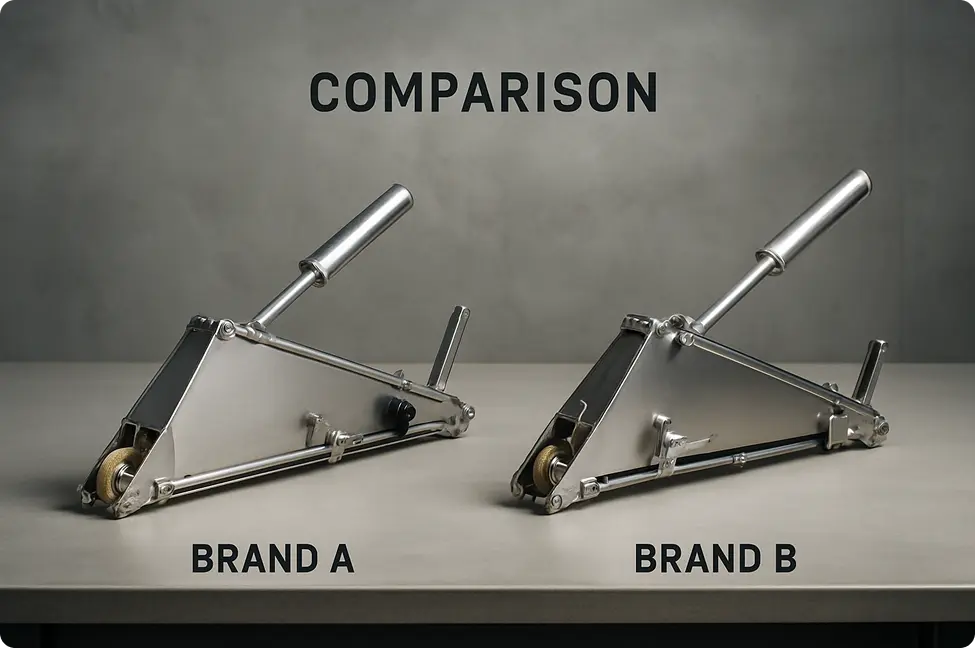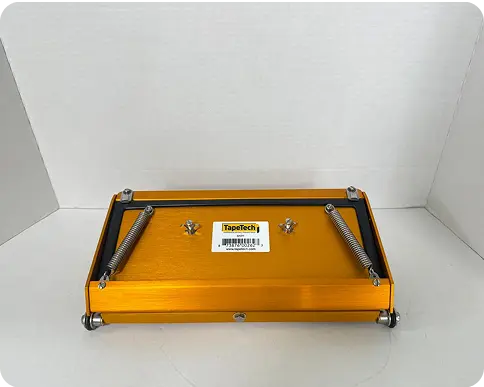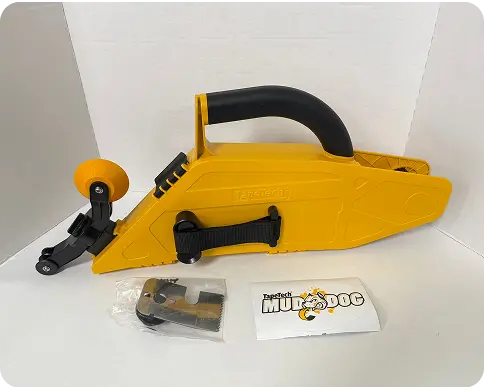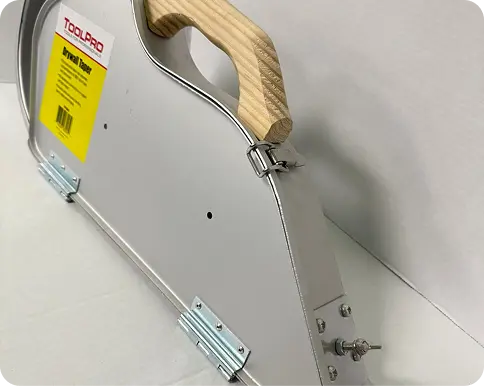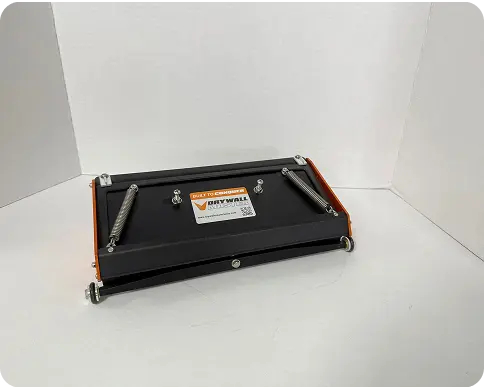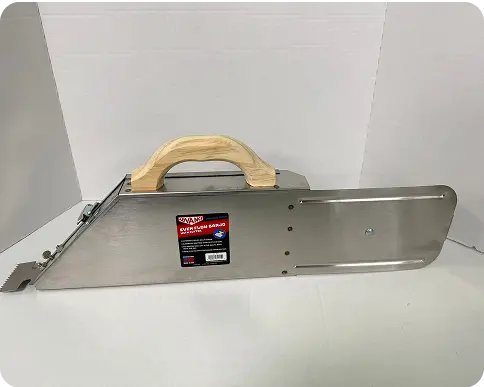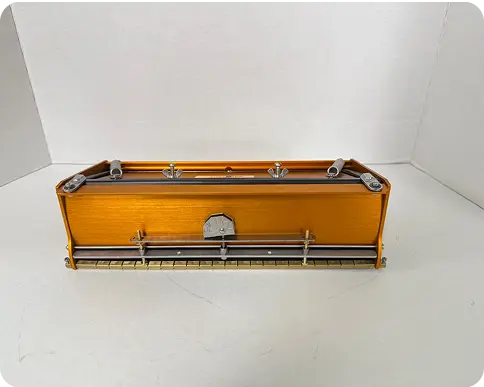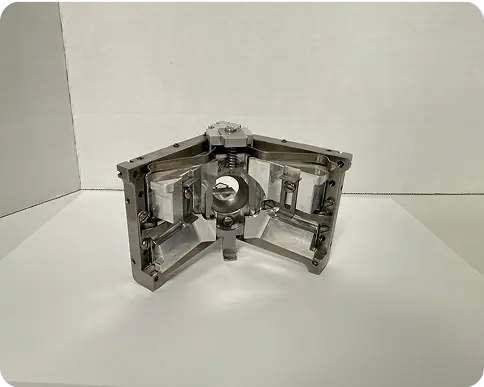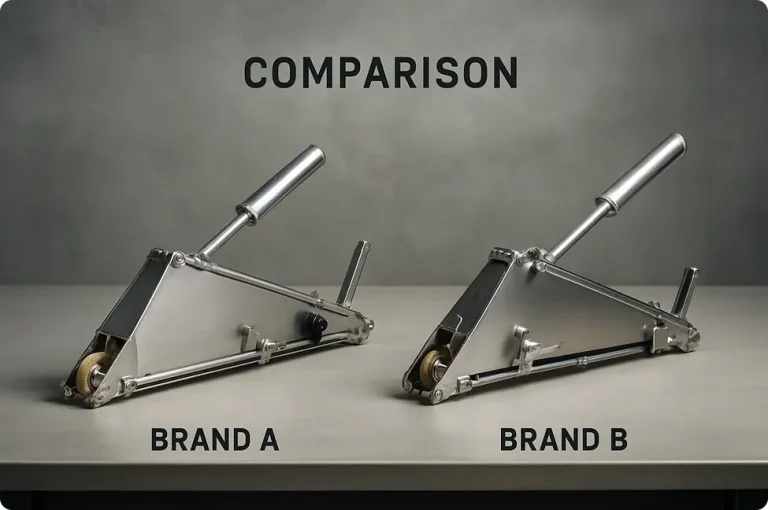
An automatic taper is one of the most valuable investments a drywall finisher can make. It speeds up the taping process, ensures a consistent finish, and reduces physical strain. However, like any high-performance tool, it requires proper maintenance to keep working at its best. Neglecting care can lead to costly repairs, downtime, and reduced quality of work.
In this guide, we’ll cover step-by-step maintenance tips that will extend the lifespan of your automatic taper and keep it running smoothly for years.
Clean your automatic taper after every job
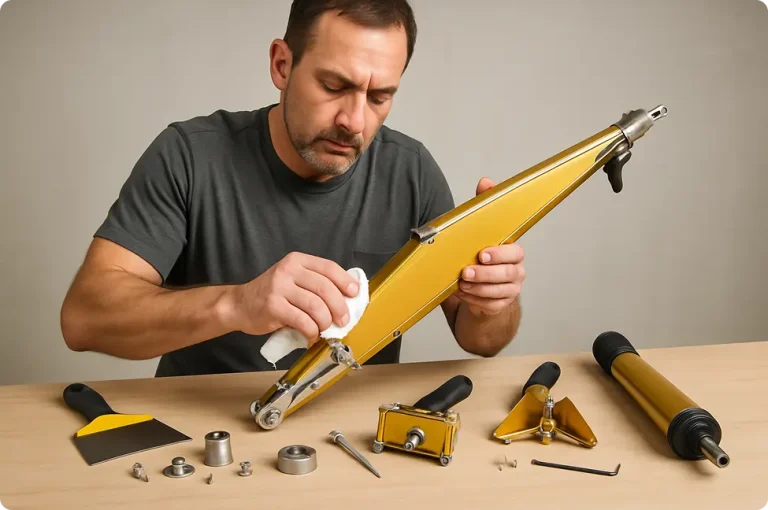
Cleaning is the most important step in maintaining your taper. Joint compound hardens quickly and can clog mechanisms if not removed promptly.
Steps for effective cleaning:
-
Empty the tool completely – Remove all compound from the tube.
-
Rinse with warm water – Use a hose or cleaning station to flush out residue.
-
Brush moving parts – Pay attention to wheels, chains, and head mechanisms.
-
Dry completely – Prevents rust and corrosion.
Cleaning immediately after use is far easier than waiting until the compound has dried.
Lubricate moving parts regularly
Your taper has several moving parts—chains, cables, and wheels—that need lubrication to work efficiently. Use light machine oil for chains and cables, avoid over-lubrication to prevent attracting dust, and always wipe off excess oil. Lubrication reduces friction, prevents wear, and protects against rust.
Inspect for wear and tear
Before and after each job, check for frayed drive cables, loose screws or bolts, and worn wheels or blades. Replacing small parts early prevents major breakdowns that can delay your work.
Store in a safe, dry place
Where you store your automatic taper matters. Keep it in its protective case to avoid dust buildup, store in a dry, cool area to prevent rust, and avoid leaving it in damp or unheated areas.
Schedule professional maintenance
Even with regular upkeep, your taper will benefit from professional servicing at least once a year. Professionals can align internal mechanisms, replace worn parts you might overlook, and ensure your taper works at optimal performance.
Why maintenance matters for your business
A malfunctioning taper slows productivity, frustrates workers, and can damage your reputation. By maintaining your tool, you save money with fewer repairs, save time by avoiding delays, and improve results with consistent application.
Conclusion
Your automatic taper is more than just a tool—it’s an investment in your drywall finishing business. By cleaning, lubricating, inspecting, storing, and servicing it regularly, you’ll ensure it delivers top performance for years to come. If you take care of your taper, it will take care of you.